Roonly vs Allego: D2D Sales Coaching Compared
Allego is a broad enterprise enablement suite for inside sales teams. Roonly is purpose-built for D2D field sales with automated coaching, field recording, and sub-2-second AI roleplay.
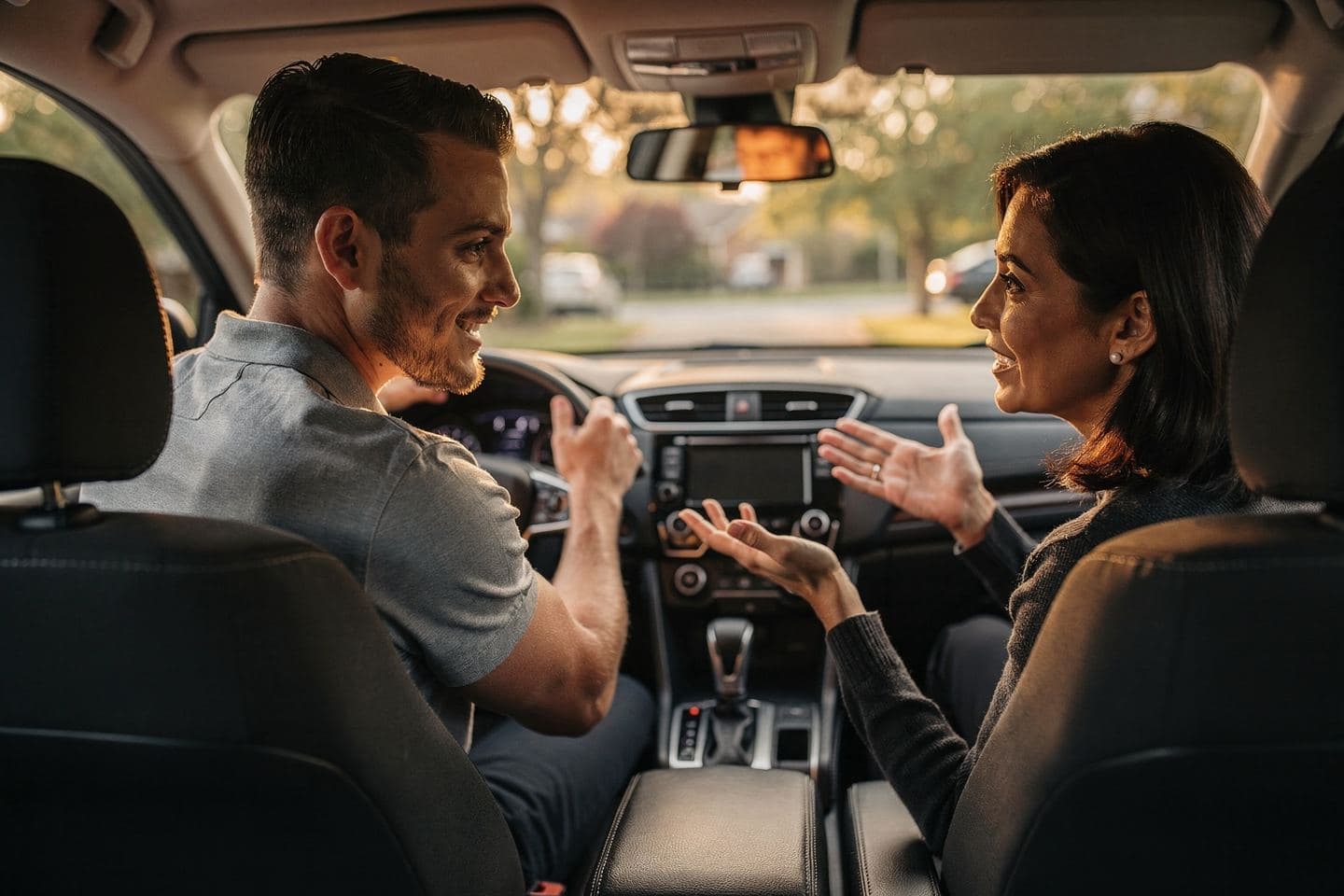
Roonly vs Allego: Which Platform Fits Your D2D Team?
Allego is a broad enterprise enablement suite for inside sales teams. Roonly is purpose-built for D2D field sales with automated coaching, field recording, and sub-2-second AI roleplay.
If you manage a door-to-door sales team in pest control, solar, roofing, or HVAC, you have probably come across Allego while searching for a coaching platform. Allego is a well-regarded revenue enablement tool. It earned Leader status in the Gartner Magic Quadrant for Revenue Enablement Platforms in 2025 and holds a 4.6/5 rating on G2 across 668+ reviews (G2 Allego Reviews). But the question for D2D teams is not whether Allego is a good product. The question is whether it solves the specific problems your field reps face every day.
Allego consolidates seven enterprise tools into one platform: LMS, coaching workflows, reinforcement, conversation intelligence, content management, digital sales rooms, and video selling. That breadth is valuable for large inside sales organizations. For a 15-person pest control team trying to get new reps productive faster, most of those modules are irrelevant. 81% of sales teams now use AI tools (Sopro AI Sales Statistics), but the ROI depends on whether the tool matches how your team actually sells.
Feature Comparison: Roonly vs Allego
| Feature | Roonly | Allego |
|---|---|---|
| Built For | Door-to-door and field sales | Enterprise inside sales enablement |
| Field Recording | Phone + Apple Watch, offline-first | No dedicated field recording |
| AI Roleplay | Sub-2-second responses, 500+ dynamic personas | AI roleplay (launched June 2025), video-based |
| Automated Training | Lessons auto-generated from real sales data | Manual content creation by admins |
| Offline Support | Full offline recording, syncs when connected | Requires internet connection |
| Apple Watch | Yes, phone-free recording | No |
| Conversation Intelligence | Stage-level scoring for D2D interactions | Call analysis for digital sales interactions |
| Content Management | Auto-generated from team data | Enterprise-grade content library and governance |
| Digital Sales Rooms | Not available | Yes, buyer collaboration spaces |
| Skill Gap Detection | Auto-identifies weaknesses, assigns targeted drills | Manager-driven coaching workflows |
| Implementation Time | Same-day setup | Two-month typical implementation |
Allego covers a wide surface area. Roonly goes deep on the specific workflow that matters for D2D: record field conversations, analyze performance, and auto-generate training from real data. To see how the coaching loop closes automatically, the two platforms take fundamentally different approaches.
Pricing Comparison: Enterprise Contracts vs Per-Rep Quotes
Allego does not publicly list its pricing. The platform uses custom quotes based on seat count, contract length, and selected modules. Based on independent reviews, here is what the pricing landscape looks like.
| Cost Component | Roonly | Allego |
|---|---|---|
| Per-User Cost | Custom quote (AI roleplay, term and team size) | Custom (contact sales) |
| Contract Length | Set in your quote | Typically 3 years, billed annually |
| Setup/Implementation | None | Two-month implementation included |
| AI Features | All included | Included (no extra charge) |
| Minimum Seats | No minimum | Enterprise minimums likely |
| Content Library | Auto-generated | Admin-built and maintained |
Sources: Allego Pricing Page, TrustRadius Allego Pricing
Allego positions itself as cost-effective by consolidating seven tools, claiming up to 50% savings on technology spend versus buying separate point solutions (Allego Pricing). That math works for enterprise teams currently paying for separate LMS, content management, and conversation intelligence tools. A D2D team that does not use digital sales rooms, video selling, or enterprise content governance is paying for capabilities it will never touch.
The contract structure also matters. Allego's typical three-year commitment means locking in before you know if the platform fits your field workflow. Roonly quotes the term with your team, along with how much AI roleplay your reps need and how many reps you run. For a 10-rep D2D team, the length of the commitment can be the difference between a calculated test and a significant financial risk.
Use-Case Fit: Best for Each Platform
Allego is best for:
- Large inside sales organizations (100+ reps) that need unified enablement
- Enterprise teams consolidating separate LMS, coaching, and content tools into one platform
- Companies with dedicated sales enablement staff to build and maintain content libraries
- Organizations where reps sell via phone, video, and email rather than in person
Roonly is best for:
- Door-to-door sales teams (5-50 reps) in pest control, solar, roofing, and HVAC
- Field sales operations where conversations happen at the door, not on a screen
- Companies where managers are stretched across territories and need automated coaching
- Teams that want reps improving between doors through AI roleplay and Duolingo-style lessons
- Organizations looking for 70% faster onboarding without adding manager headcount
The U.S. door-to-door sales market generates $36 billion annually, and the reps driving that revenue sell face-to-face. A platform built for desktop-based sales enablement will always have a structural mismatch with how D2D teams operate. Companies investing in AI coaching built for field sales verticals see faster returns because the tool matches the workflow.
What Allego Does Well
Allego earned its market position for good reasons, and it is worth understanding where the platform genuinely excels.
Breadth of enablement tools. Allego replaces seven separate products with one integrated platform. For enterprise organizations managing content libraries, onboarding programs, coaching workflows, and conversation intelligence across hundreds of reps, that consolidation reduces complexity and vendor management overhead. The platform received Leader recognition from both Gartner and Forrester for this integrated approach.
Structured onboarding programs. Users consistently highlight Allego's ability to create modular, gated learning paths for new hires. Every new rep receives the same content at the same pace, with knowledge checks to verify retention (G2 Allego Reviews). For enterprise teams with formal onboarding requirements, this structure is valuable.
AI features included at no extra cost. Unlike some competitors that charge premium add-ons for AI capabilities, Allego bundles all AI features into its base pricing. This includes conversation intelligence, AI-powered coaching suggestions, and their roleplay tool. Organizations using AI for sales coaching report a 7% higher win rate (Hyperbound Sales Coaching Benchmarks).
Content management and governance. Allego provides enterprise-grade content governance, ensuring reps have access to the latest approved materials. For regulated industries or large organizations with strict brand compliance requirements, this matters.
Where Allego Falls Short for D2D Teams
Despite its strengths in enterprise enablement, Allego has structural gaps that limit its value for door-to-door and field sales operations.
No field recording capability. Allego's conversation intelligence captures digital interactions. It does not provide a mechanism for recording in-person sales conversations at a doorstep or inside a home. D2D reps do not sell over video calls. Without field recording, there is no raw data to analyze, score, or turn into training content. Platforms with Apple Watch recording and training built from real conversations were designed around this reality.
No offline support. D2D reps work in residential neighborhoods with inconsistent cell service. Allego requires internet connectivity for its platform features. A rep standing on a porch in a dead zone cannot access training content, practice roleplay, or record a conversation through Allego. 38% of reps report they rarely or never receive coaching (MySalesCoach 2026 Survey), and connectivity issues only widen that gap for field teams.
Breadth over depth in any single area. G2 reviewers note that Allego "does many things adequately rather than any one thing exceptionally" (Spekit Allego Alternatives). For D2D teams, adequacy in seven enterprise categories is less useful than depth in the three things that actually matter: recording field conversations, analyzing rep performance, and automatically generating training from that data.
Heavy admin burden. Allego's content and training programs require dedicated administrators to build, structure, and maintain. Users report relying heavily on customer success managers to configure pages and update content. A D2D company running a lean operation with one or two managers typically does not have a sales enablement team to manage a complex platform. 164% more companies are now using AI in training (WifiTalents AI Sales Report), but the trend only helps if the AI reduces admin work rather than creating more of it.
Roleplay is relatively new. Allego launched its AI roleplay feature in June 2025. While the tool offers video-based practice with AI avatars, it has not had the same iteration time as platforms where roleplay is a core differentiator. Early reviews note that Allego's roleplay lacks the specialized depth of dedicated practice tools, and it remains unclear how well it simulates the high-resistance objections D2D reps face at the door.
The Roonly Difference: Closing the Coaching Loop
The gap between Allego and Roonly comes down to one thing: what happens after a conversation is recorded. Allego gives managers tools to coach. Roonly automates the coaching itself.
Record anywhere, with anything. Roonly records via phone or Apple Watch with full offline support. Reps tap their watch at the door and start. No phone in hand, no internet required. Audio syncs automatically when the rep reconnects. This is not a feature added on top of an existing platform. It is the foundation the entire system is built around.
The data flywheel. Every recorded conversation feeds Roonly's analysis engine, which scores performance at the stage level: opener, value prop, objection handling, and close. The engine identifies skill gaps per rep and auto-generates targeted training content. More conversations mean better training, which means better conversations. Understanding what top-performing D2D reps do differently only matters if you can transfer those patterns to the rest of your team automatically.
Sub-2-second AI roleplay with 500+ personas. Roonly's roleplay engine responds in under 2 seconds with dynamic personas trained on real company scenarios. These are not generic bots that agree with everything. They simulate the specific objections, personality types, and resistance patterns your reps encounter at the door. The personas hold firm and push back. Teams with AI coaching see 20-40% increases in rep sales performance, but only when the practice matches the reality.
Automated lessons, zero admin work. When Roonly detects a rep struggling with a specific objection or sales stage, it auto-generates a targeted lesson. Reps get Duolingo-style drills between appointments, built from real interactions by their own teammates. No manager needs to create content, no admin needs to maintain a library. Organizations report a 50% reduction in time to productivity when reps can self-train on relevant, real-world material.
Does the paperwork and recovers the revenue. A recorded door or tech visit becomes the CRM record in FieldRoutes or JobNimbus, with the outcome, summary, quote and promises and the recording linked, and the same engine works the winbacks, unscheduled quotes and upsells the conversation surfaced, by text from a named person on the team, with a win counted only when the CRM shows it. Allego does neither.
Frequently Asked Questions
Can Allego record door-to-door sales conversations?
No. Allego's conversation intelligence captures phone calls, video meetings, and digital interactions. It does not provide field recording capability for in-person conversations at a doorstep or inside a home. Roonly records via phone and Apple Watch with full offline support, which is the foundational requirement for D2D coaching.
How does Allego's AI roleplay compare to Roonly's?
Allego launched its AI roleplay tool in June 2025 with video-based practice and avatar interactions. Roonly's roleplay engine has sub-2-second response times and 500+ dynamic personas specifically trained on D2D scenarios. Roonly's personas hold firm and push back with realistic objections, while Allego's roleplay was designed for broader enterprise sales practice.
Does Allego work offline?
No. Allego requires an internet connection for its platform features. Roonly was built offline-first for reps working in residential neighborhoods with inconsistent cell coverage. Recordings sync automatically when the device reconnects.
Is Allego's pricing transparent?
Allego does not publish its pricing publicly. The platform uses custom quotes based on seat count and contract length, with typical three-year commitments billed annually. Roonly's pricing is custom too: it depends on how much AI roleplay your team needs, the term and team size, with no commission, ever. See pricing for a quote on your real team.
Can a small D2D team use Allego effectively?
Allego was designed for enterprise sales organizations with dedicated enablement staff. The platform requires a two-month implementation, ongoing admin work to build and maintain content, and a multi-year contract. A 10-15 person D2D team in pest control or roofing would likely find the platform over-built for their needs, with most of its seven consolidated tools going unused.
What does Allego do better than Roonly?
Allego excels at enterprise content management, structured onboarding programs, digital sales rooms for buyer engagement, and broad enablement tool consolidation. If you run a large inside sales organization and need to unify your LMS, content library, and coaching workflows, Allego is a strong choice. Roonly does not offer content management, digital sales rooms, or video selling features.
Which platform is better for reducing rep turnover?
For D2D teams, Roonly's combination of automated training, CRM paperwork, and consistent coaching directly targets the factors that drive turnover: lack of development, inconsistent feedback, and slow onboarding. Teams using AI-powered coaching report 30% lower rep turnover. Allego's structured onboarding is effective for enterprise teams, but its lack of field-specific features limits its impact on D2D retention.
Related guides



Published February 24, 2026. Last updated October 6, 2026.
See what Roonly finds in your team's conversations.
Roonly coaches every in-person sales conversation and trains each rep on exactly where they lose the sale.
Book a demo