What Is Ride-Along Coaching in D2D Sales?
Ride-along coaching is a field training method where a manager joins a D2D rep on live doors to observe, correct, and reinforce selling skills in real time.
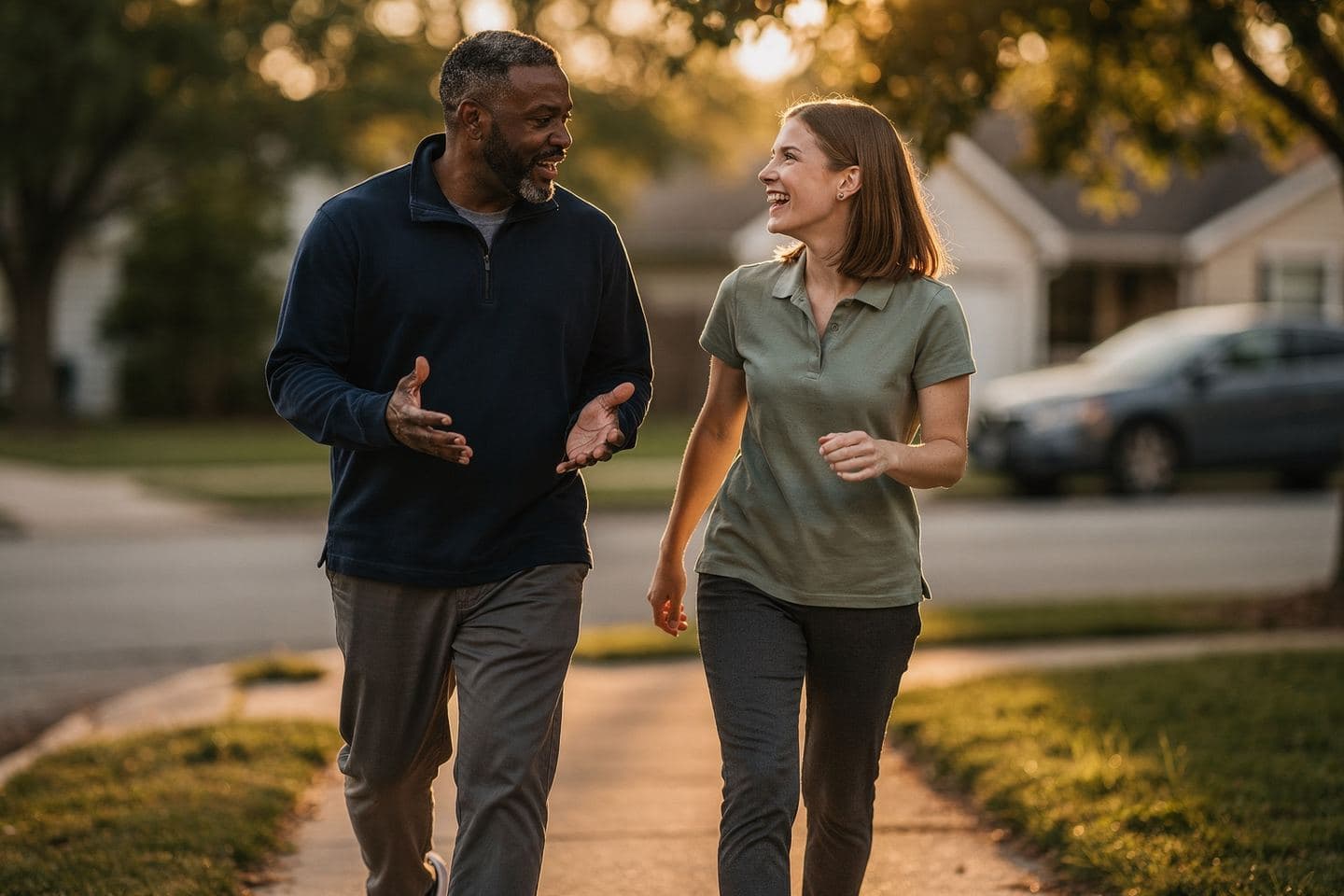
What Is Ride-Along Coaching?
Ride-along coaching is a field training method where a manager joins a D2D rep on live doors to observe, correct, and reinforce selling skills in real time.
In door-to-door sales, ride-along coaching is the oldest and most common form of field development. The manager walks the territory alongside the rep, watches them knock doors, and provides feedback between interactions. Depending on the team, the manager may demonstrate techniques at the door (co-selling), observe silently and debrief afterward, or alternate between both approaches throughout the shift.
For decades, ride-along coaching has been the primary way D2D organizations transfer knowledge from experienced sellers to new hires. According to CSO Insights research, companies with a formal coaching process realize 91% of their total quota, compared to 85% for those with a less structured approach. The ride-along is the foundational coaching format that most field sales teams build their programs around.
The challenge is scale. A ride-along requires one manager to dedicate an entire shift to one rep. For a team of 15 reps, that means a single manager can shadow each person roughly once or twice a month, leaving the vast majority of doors unobserved and uncoached.
Why Ride-Along Coaching Matters for D2D Teams
Ride-along coaching matters because door-to-door selling happens in an uncontrolled environment. Unlike inside sales, where calls can be recorded and reviewed from a desk, D2D reps work alone at the doorstep. The manager has no visibility into what a rep actually says, how they handle objections, or why a door went sideways.
This creates a feedback vacuum. Research from the 2026 State of Sales Coaching report found that 45% of sales reps rate the coaching they receive as below average, up from 29% the prior year. In field sales, this gap is even wider because managers simply cannot be present for most conversations.
Ride-alongs address this by giving managers direct observation of real selling situations. The benefits are well-documented:
Faster onboarding. A standard four-week D2D onboarding program typically structures ride-alongs as a progression: week one for shadowing, week two for co-selling (one knocks while the other observes, then switching roles), week three for independent selling with daily debriefs, and week four for territory ownership. Teams that maintain regular ride-alongs through this ramp period report 50% faster time to productivity for new hires.
Higher retention. According to SalesRabbit research, teams that schedule at least three hours of coaching and ride-along feedback each week keep reps 30% longer. For an industry where annual turnover runs between 40% and 60%, that retention improvement translates directly to reduced recruiting and training costs. The cost of a bad sales hire can exceed $100,000 when factoring in lost revenue and replacement costs.
Accurate performance diagnosis. Ride-alongs reveal things that numbers alone cannot. A rep might have low close rates not because of weak pitch skills but because of poor territory routing or body language habits that only surface in person. Managers frequently discover that the coaching a rep actually needs is different from what pipeline data would suggest.
How Ride-Along Coaching Works in Practice
A well-run ride-along follows a structured format. The most effective D2D managers treat it as a coaching session with clear objectives, not a casual tag-along.
Pre-Ride Planning
Before the shift, the manager identifies one or two specific skills to observe. Trying to evaluate everything at once dilutes the feedback. Experienced coaches pick a focus area based on recent performance data: opener effectiveness, objection handling, closing mechanics, or transition between pitch stages.
During the Ride-Along
The manager observes 5 to 10 doors, depending on the territory and pace. There are two common approaches:
| Approach | How It Works | Best For |
|---|---|---|
| Silent observation | Manager watches without intervening, debriefs between doors | Experienced reps, diagnosing specific habits |
| Co-selling | Manager and rep alternate who leads the conversation | New hires, demonstrating technique in real time |
| Hybrid | Manager observes most doors, steps in to demonstrate on one or two | Mid-level reps working on a specific weakness |
Between doors, the manager provides brief, focused feedback. The ATD (Association for Talent Development) recommends limiting feedback to one adjustment per debrief. Overloading a rep with corrections between every door creates paralysis, not improvement.
Post-Ride Debrief
The most valuable part of the ride-along happens after the shift. A structured 15 to 30 minute debrief covers: one thing the rep did well, one thing to change, and a specific action item for the next shift. According to coaching benchmarks from My Sales Coach, reps who experience coaching as "excellent or very good" are 50% more likely to achieve or exceed quota.
Key Metrics and Benchmarks for Ride-Along Coaching
Understanding the numbers behind ride-along coaching helps managers justify the time investment and optimize their approach.
Coaching frequency and quota attainment. The relationship is direct: teams where reps receive weekly coaching see 76% of reps hit quota. When coaching drops to monthly, attainment falls to 56%. At quarterly or less, it sinks to 47%, according to 2026 sales coaching benchmark data.
Manager capacity. A manager running traditional ride-alongs can effectively coach 5 to 8 reps through in-person observation. That ratio means a 20-rep team needs three to four managers dedicated to field coaching, or most reps go uncoached most of the time.
Time cost per ride-along. A single ride-along consumes 4 to 8 hours of manager time when you include travel, the shift itself, and the debrief. For teams spread across large territories, Allego research notes that travel requirements make ride-alongs "costly" and "eat up a tremendous amount of the manager's time."
Observation bias. Ride-alongs suffer from a visibility problem. As Sales Xceleration points out, reps often craft the day's schedule to feature their best customers, meaning managers "won't see the salesperson handle the difficult objections, pricing concerns, and competitive customers." The infrequency of ride-alongs compounds this issue, as coaching opportunities become few and far between.
| Metric | Traditional Ride-Along | Industry Benchmark |
|---|---|---|
| Manager-to-rep coaching ratio | 1:5-8 | 1:10-15 (with tech support) |
| Conversations observed per month | 10-20 per rep (if weekly) | 100% possible with recording tools |
| Hours per coaching session | 4-8 hours (full shift) | 15-30 min (recorded review) |
| Coaching frequency achieved | Monthly for most reps | Weekly or more with AI tools |
| Feedback delay | Same day | Immediate (automated) |
How AI Coaching Tools Relate to Ride-Along Coaching
The limitations of traditional ride-alongs have driven the development of technology that captures what happens at the door without requiring a manager to be physically present. This is not about eliminating ride-alongs entirely. It is about making every door a coached door, not just the ones a manager can attend.
Recording and conversation intelligence platforms give managers access to every rep conversation. Instead of observing 10 doors during a ride-along, a manager can review transcripts and scores from hundreds of conversations across the entire team. According to Highspot's research, companies using AI in coaching saw 36% improvement in win rates after implementation.
Some platforms go further than recording and analysis. AI coaching tools built for field sales connect conversation analysis directly to training. After identifying that a rep struggles with a specific objection type, the system generates targeted practice scenarios using real objections from that rep's territory. This record-analyze-train cycle runs automatically, providing the kind of personalized, conversation-specific coaching that ride-alongs deliver, but for every door instead of a handful per month.
The practical implication for D2D managers: ride-alongs become strategic rather than routine. Instead of riding along to gather basic performance data, managers can review AI-generated insights before the ride-along and focus their in-person time on the high-judgment coaching that requires being there in person, like body language, door presence, or team morale.
Common Misconceptions About Ride-Along Coaching
"Ride-alongs are the gold standard and nothing can replace them." Ride-alongs provide valuable in-person observation, but they cover a tiny fraction of a rep's actual conversations. A manager who rides along once a month sees roughly 2% of a rep's doors. The other 98% go uncoached. The gold standard would be coaching every conversation, which requires technology.
"More ride-alongs always means better performance." Frequency matters, but quality matters more. CSO Insights found that organizations with dynamic, integrated coaching achieve win rates 19% higher and quota attainment 27.9% higher than those using random, unstructured coaching. A poorly structured ride-along can actually reinforce bad habits if the manager lacks a clear coaching framework.
"Reps do not like ride-alongs." Research shows that 41% of reps say they are never or rarely coached, and most want more feedback, not less. The resistance usually comes from ride-alongs that feel like surveillance rather than development. When managers frame ride-alongs as collaborative skill-building, with the rep choosing which doors to focus on, pushback drops significantly.
"New hires need ride-alongs but experienced reps do not." Experienced reps plateau without ongoing coaching. The middle 60% of a sales team represents the largest revenue opportunity, and they often stall because coaching attention goes disproportionately to new hires and struggling reps.
"Technology makes ride-alongs obsolete." Technology makes ride-alongs more effective, not unnecessary. The combination of AI-analyzed conversation data and targeted in-person observation is stronger than either approach alone. Managers who review AI insights before a ride-along can focus on exactly the skills that need in-person attention.
Frequently Asked Questions
How often should D2D managers do ride-alongs?
Best practice is at least one ride-along per rep per month, with weekly being ideal for new hires in their first 90 days. Teams that maintain weekly coaching touchpoints (including ride-alongs) see 76% of reps hitting quota, compared to 47% for teams that coach quarterly or less.
What should a manager focus on during a ride-along?
Pick one or two specific skills per ride-along rather than trying to evaluate everything. Common focus areas include the opener (first 30 seconds at the door), objection handling technique, closing mechanics, or transition between pitch stages. Limiting focus areas produces more actionable feedback.
How long should a ride-along last?
A standard ride-along covers a full shift or half-shift, typically 3 to 5 hours of active door-knocking time plus a 15 to 30 minute debrief. Shorter ride-alongs of 1 to 2 hours can work for targeted observation of a specific skill but provide less representative data.
Can ride-along coaching be done remotely?
Not in the traditional sense, since the manager needs to be physically present to observe body language, door presence, and environmental factors. However, recording tools now allow managers to review field conversations remotely and provide asynchronous feedback, which supplements but does not fully replace the in-person component.
What is the difference between a ride-along and a shadow shift?
The terms are often used interchangeably. In some organizations, a shadow shift specifically refers to a new hire observing an experienced rep (the new hire watches), while a ride-along refers to a manager observing a rep (the manager watches). The coaching dynamic and power structure differ between the two.
How do you measure the ROI of ride-along coaching?
Track close rate changes, average ticket size, and ramp time for coached reps versus uncoached periods. Compare quota attainment for reps receiving regular ride-alongs against those who receive less frequent coaching. Companies with formal coaching processes achieve 91% of total quota versus 85% for informal programs.
How does AI coaching change the ride-along model?
AI coaching captures and analyzes every door conversation automatically, providing the observational data that ride-alongs deliver but at full scale. This shifts ride-alongs from a data-gathering activity to a targeted coaching intervention where the manager already knows what to focus on before arriving.
Related guides

Last updated March 11, 2026.
See what Roonly finds in your team's conversations.
Roonly coaches every in-person sales conversation and trains each rep on exactly where they lose the sale.
Book a demo